
Cultural Change, TikTok and Digital Responsibility
Societies have experienced wide cultural changes since the late nineteenth century, shaped by politics, art, economics and the media. Without specific evidence, these varied developments cannot be reduced to the influence of one political leader or movement. A more useful examination asks how cultural messages and repeated images influence habits, expectations and behaviour.
Modern artistic and intellectual movements have generated debate about individual freedom and moral boundaries. Cinema, music and mass communication expanded the power of cultural content to shape public awareness. Content that treats provocation as a measure of success can be criticised, while keeping established historical facts distinct from moral judgments about their effects.
Historical photographs from the early twentieth century show clothing and public customs different from those familiar today. Such images can invite reflection, but a photograph or archive cannot represent every person or establish the moral condition of an entire society. Comparisons need their social and historical context.
Arab societies have also debated dress and participation in public life. Huda Shaarawi’s removal of her face veil on returning to Cairo in 1923 is often discussed in this connection. Comparing different periods can illuminate change, provided complex experiences are not compressed into a single, predetermined narrative.
In Omani online life, women who appear publicly sometimes receive harsh comments, while other content attracts attention through greater provocation. Criticism should respect human dignity. Insults and unsupported personal accusations cannot substitute for a discussion of public content.
When images and viewing figures become directly connected with income, the presentation of the body can become a commercial product. LikeWar: The Weaponization of Social Media, by P. W. Singer and Emerson T. Brooking, examines social platforms, information competition and the operation of influence. This perspective helps explain why content may be designed to attract attention, provoke emotion and keep people watching.
Repeated exposure can change what people regard as ordinary or acceptable. Public discussion should do more than compare one example with something worse; it should explain the standards being proposed and the reasons for them. Critics also remain responsible for checking facts and respecting others.
TikTok’s experience raises questions about content, privacy and platform policy. On 29 June 2020, the Indian government included it among 59 applications blocked on grounds concerning security, sovereignty and data. That decision should not be confused with earlier temporary measures, and a later reopening should not be asserted without reliable official support.
In Oman, difficulty accessing an application, or a subsequent return of access for some users, does not by itself establish an unpublished regulatory decision or a secret arrangement. Conclusions about authorities or platform policy require verifiable information.
Moral debate also requires care with language carrying serious religious or social implications. Attaching a humiliating label to a particular person can harm their reputation. Any legal classification depends on the words, context, evidence and applicable provisions. Opposition to conduct does not remove responsibility for the accuracy and manner of criticism.
The influence of digital content on young people requires sustained education. Family guidance includes adult example, consistent principles, shared discussion and an understanding of the commercial purposes behind content. Technology can support learning and constructive work; without judgment, it can also contribute to harm.
Education about money matters as well. Beyond saving and spending, young people should understand how profit affects the design of content and personal choices. Viewing figures and the promise of quick returns can intensify temptation. Critical reading, practical skills and stable values help people retain independence under commercial pressure.
Prohibition alone cannot resolve every problem. A society needs the ability to assess information, discuss boundaries and balance freedom with responsibility. Studying how social platforms operate can provide a starting point for better family education and a more informed public conversation.
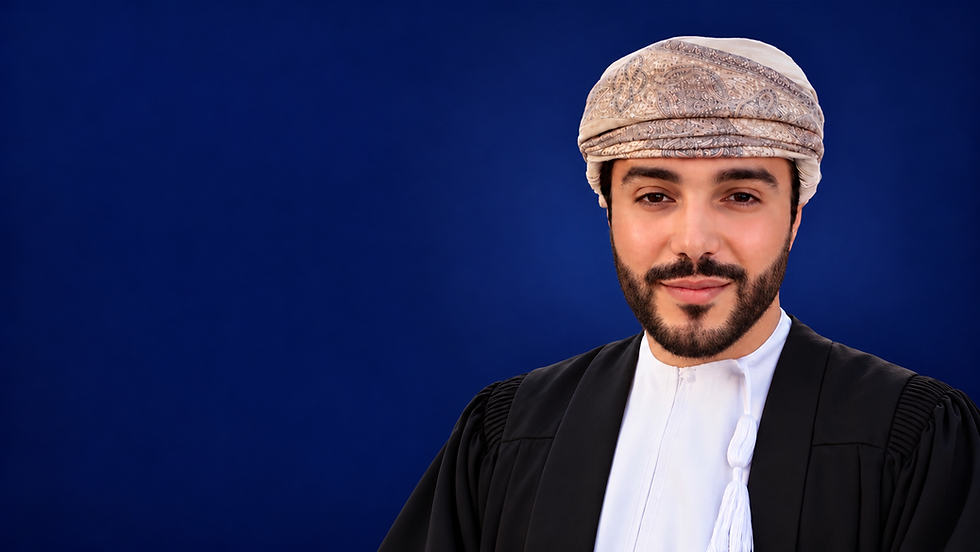
By Mohammed bin Saeed Al-Maamari, Advocate and Legal Consultant.
Al-Maamari & Al-Saidi Law Firm | +968 90605000 | info@mflegal.net | mohd@mflegal.net


Comments